Sewer Repair in Longmont, CO
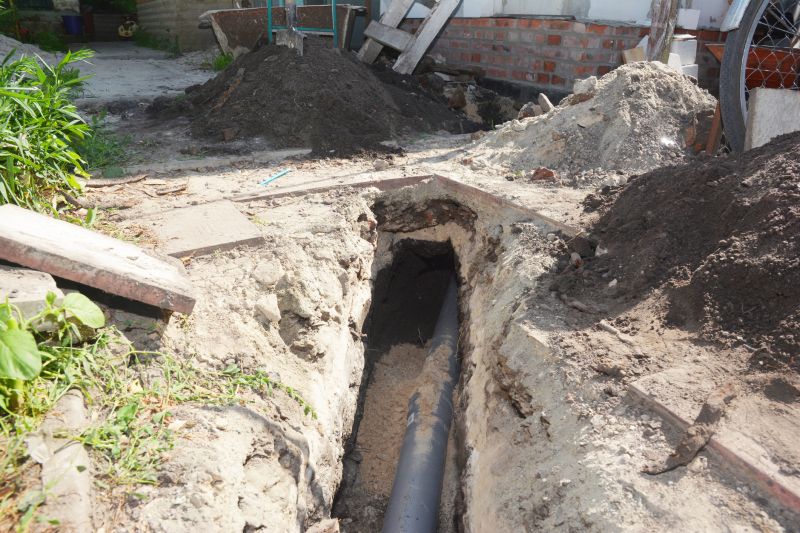
Sewer repair services address issues with the underground sewer lines that carry waste from a property to the municipal system. These projects typically include fixing broken, cracked, or collapsed pipes, replacing aging or damaged sewer lines, and resolving blockages or leaks that can cause backups or foul odors. Property owners should understand the scope of the repair, the potential need for excavation or pipe replacement, and the importance of addressing problems promptly to prevent further damage or health hazards.
Before requesting sewer repair services, homeowners often want to know about the signs of sewer problems, such as slow drains, gurgling sounds, or persistent odors. It’s also helpful to understand the inspection process, which may involve camera assessments to identify issues without unnecessary digging. Clarifying the types of repair methods available and any potential disruptions to property access can ensure a smoother process and help property owners plan accordingly.
Many property owners in Longmont, CO look into Sewer Repair for repairs, replacements, upgrades, and appearance-related improvements.
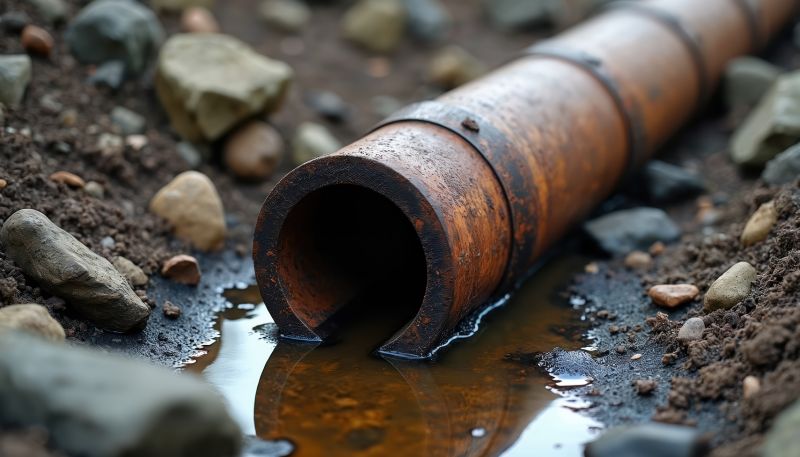
Signs Of Sewer Problems
Property owners in longmont may notice slow drains, foul odors, or frequent backups indicating sewer issues.
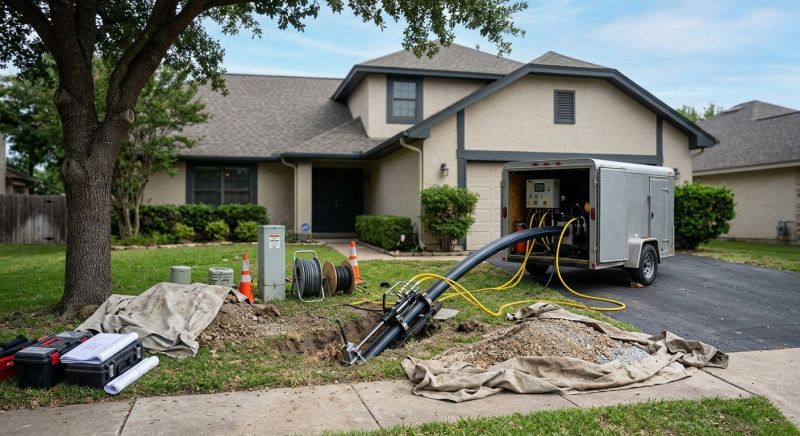
Common Sewer Repair Solutions
Repairs often involve pipe patching, lining, or replacement to restore proper flow and prevent further damage.
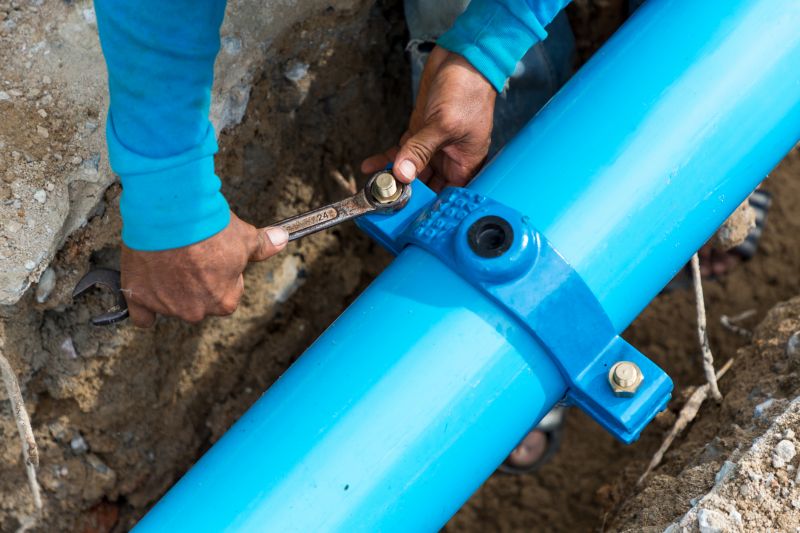
Preventative Maintenance Tips
Regular inspections and avoiding flushable items help maintain sewer system integrity in longmont homes and businesses.
Sewer Repair in Longmont, CO

Sewer repair services address issues with the underground sewer lines that carry waste from a property to the municipal system. These projects typically include fixing broken, cracked, or collapsed pipes, replacing aging or damaged sewer lines, and resolving blockages or leaks that can cause backups or foul odors. Property owners should understand the scope of the repair, the potential need for excavation or pipe replacement, and the importance of addressing problems promptly to prevent further damage or health hazards.
Before requesting sewer repair services, homeowners often want to know about the signs of sewer problems, such as slow drains, gurgling sounds, or persistent odors. It’s also helpful to understand the inspection process, which may involve camera assessments to identify issues without unnecessary digging. Clarifying the types of repair methods available and any potential disruptions to property access can ensure a smoother process and help property owners plan accordingly.
Many property owners in Longmont, CO look into Sewer Repair for repairs, replacements, upgrades, and appearance-related improvements.
Common Sewer Repair Jobs
Pipe lining - a trenchless method to reinforce damaged sewer pipes without extensive digging.
Pipe replacement - complete removal and installation of new sewer lines for severe pipe damage.
Clog removal - clearing obstructions to restore proper sewer flow and prevent backups.
Leak detection - identifying leaks within sewer lines to prevent property damage and costly repairs.
Video inspection - using cameras to diagnose sewer issues accurately without invasive procedures.
Emergency repairs - prompt solutions for sudden sewer system failures to minimize property disruption.
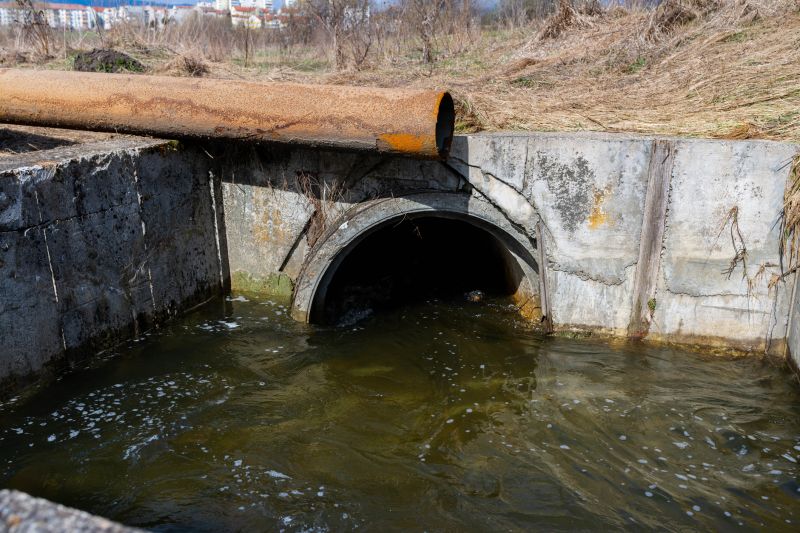
Sewer Repair Questions
What are common signs of sewer problems? Signs include slow drains, foul odors, recurring backups, and lush patches of grass over the sewer line area.
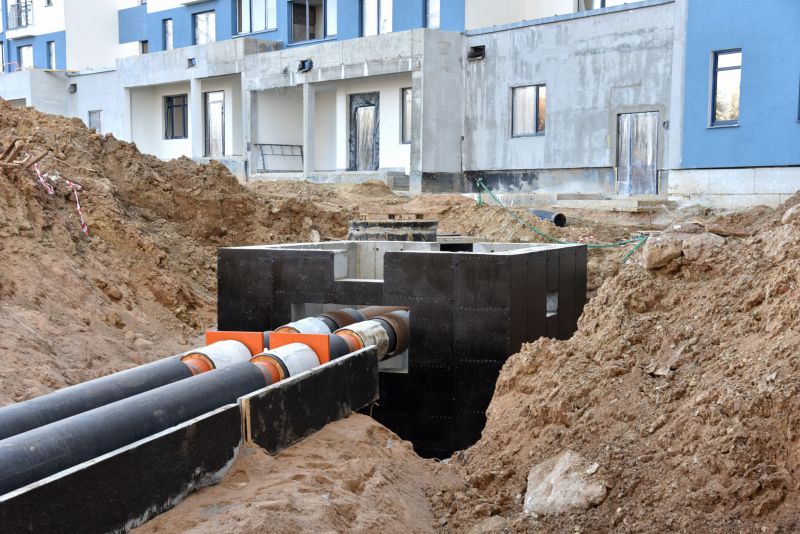
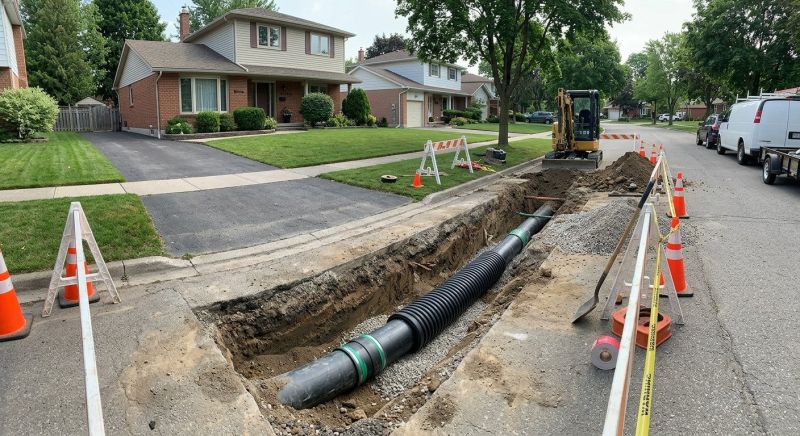
How is sewer repair typically performed? Repairs may involve replacing damaged pipes, sealing leaks, or installing new sections of pipe to restore proper flow.
Can sewer repairs be done without digging? Yes, trenchless methods allow for repairs with minimal excavation, reducing disruption to the property.
What should property owners know before scheduling sewer repair? It's important to identify the location and extent of the issue to determine the most effective repair approach.
Request Sewer Repair in Longmont, CO
Use the quote form on this page to share the basics of your project and request more information for the type of work you need.