Septic Plumbing Installation in Denver, CO
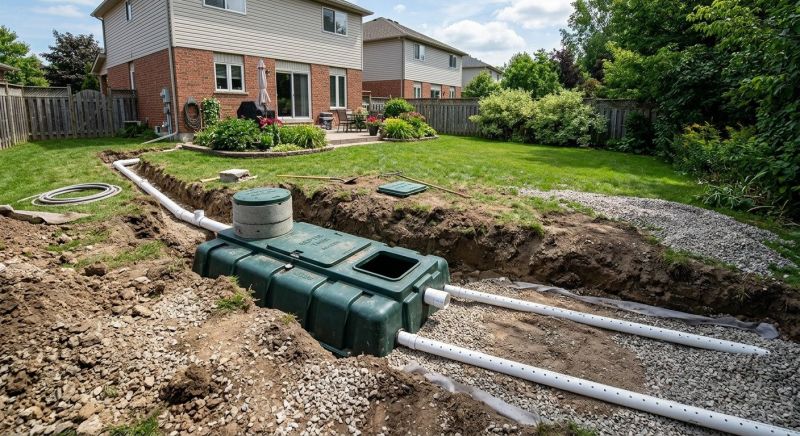
Septic plumbing installation involves setting up the essential systems that manage wastewater for properties not connected to municipal sewer lines. This service covers a range of projects, including installing new septic tanks, connecting drain fields, and ensuring proper piping and venting. Homeowners typically seek septic installation when building a new property, replacing an outdated system, or upgrading to a larger capacity to accommodate household needs. It’s important for property owners to understand the size and type of septic system suitable for their property, as well as any local regulations or permits required before beginning the installation process.
Before requesting septic plumbing installation, property owners should consider the layout of their land, soil conditions, and future maintenance requirements. Knowing the location of the septic tank and drain field relative to wells, property lines, and structures can help ensure proper placement and function. Additionally, understanding the process involved, including excavation, system testing, and inspection, can provide clarity on what the project entails. Consulting with experienced professionals can help determine the best system design to meet specific property needs and comply with local codes.
Many property owners in Denver, CO look into Septic Plumbing Installation for repairs, replacements, upgrades, and appearance-related improvements.
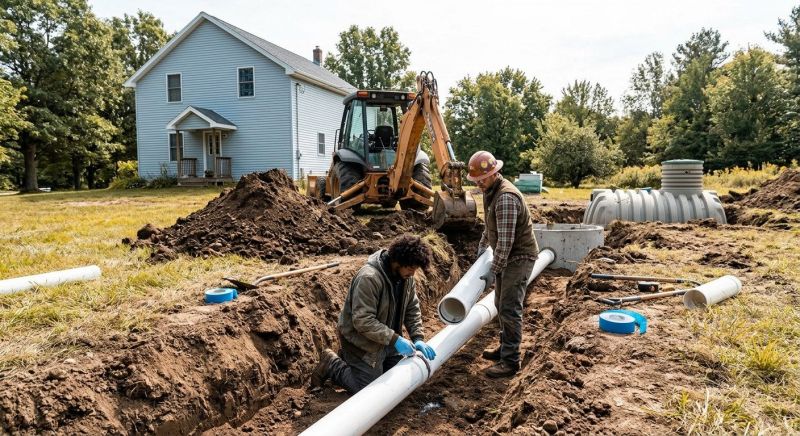
Septic System Installation
Proper installation ensures your septic system functions reliably for years.
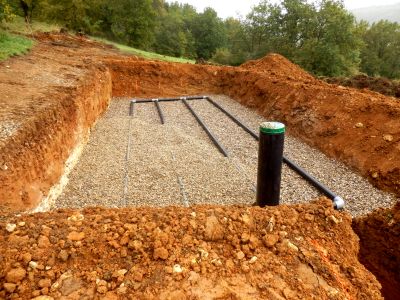
Septic Line Connections
Secure connections prevent leaks and promote efficient waste flow in your property.
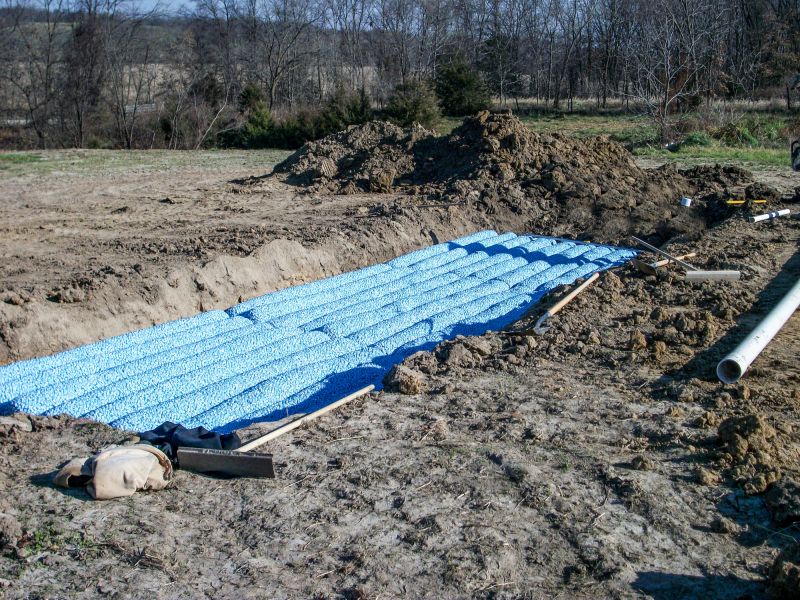
Septic System Maintenance
Regular maintenance helps avoid costly repairs and extends the lifespan of your septic system.
Septic Plumbing Installation in Denver, CO

Septic plumbing installation involves setting up the essential systems that manage wastewater for properties not connected to municipal sewer lines. This service covers a range of projects, including installing new septic tanks, connecting drain fields, and ensuring proper piping and venting. Homeowners typically seek septic installation when building a new property, replacing an outdated system, or upgrading to a larger capacity to accommodate household needs. It’s important for property owners to understand the size and type of septic system suitable for their property, as well as any local regulations or permits required before beginning the installation process.
Before requesting septic plumbing installation, property owners should consider the layout of their land, soil conditions, and future maintenance requirements. Knowing the location of the septic tank and drain field relative to wells, property lines, and structures can help ensure proper placement and function. Additionally, understanding the process involved, including excavation, system testing, and inspection, can provide clarity on what the project entails. Consulting with experienced professionals can help determine the best system design to meet specific property needs and comply with local codes.
Many property owners in Denver, CO look into Septic Plumbing Installation for repairs, replacements, upgrades, and appearance-related improvements.
Common Septic Plumbing Installation Jobs
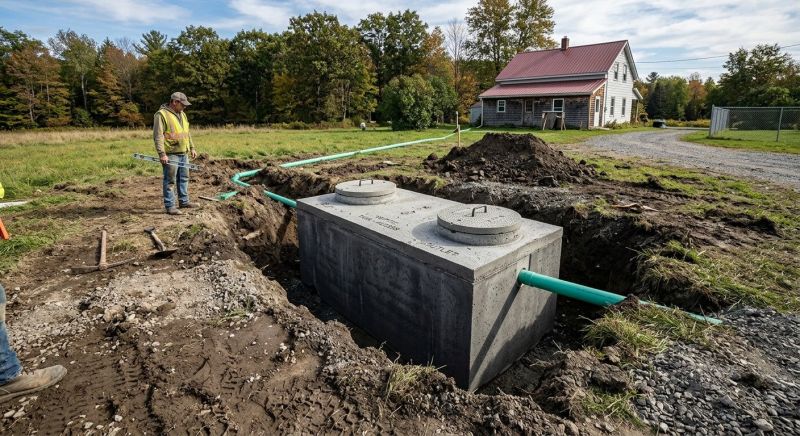
Septic Tank Installation - setting up new septic systems for residential properties.
Septic System Replacement - upgrading or replacing aging septic components.
Leach Field Installation - installing drain fields to ensure proper wastewater dispersal.
Septic System Repair - fixing issues like clogs, leaks, or system failures.
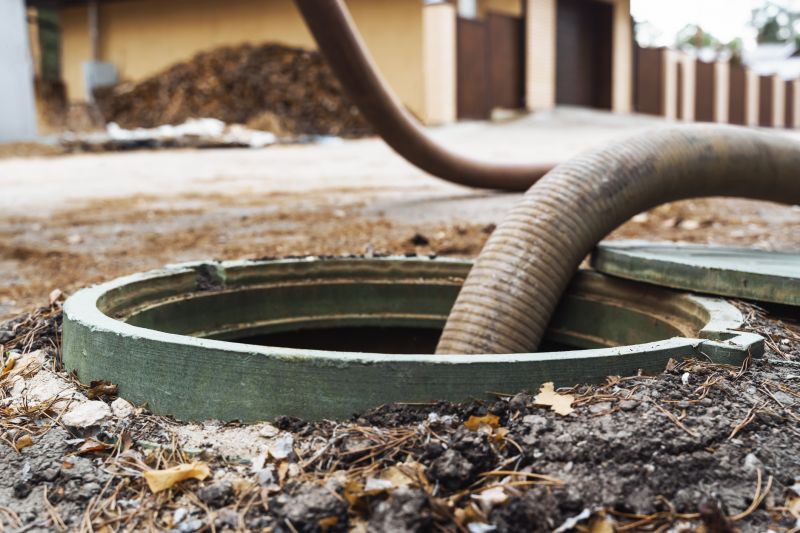
Septic Tank Pumping - removing solids to maintain system efficiency.
Septic System Inspection - evaluating system condition to prevent future problems.
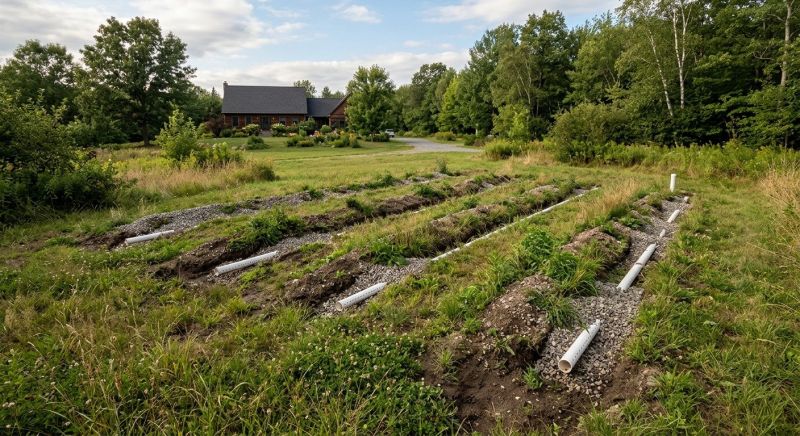
Septic Plumbing Installation Questions
What is septic plumbing installation? It involves setting up the pipes, tanks, and components needed for a septic system to treat wastewater on a property.
When is septic plumbing installation needed? It is typically required when building a new property or replacing an existing septic system that is no longer functioning properly.
What types of properties require septic plumbing? Properties that are not connected to municipal sewer systems, including rural homes and certain commercial sites, often need septic plumbing.
What should property owners consider before installation? It’s important to assess site conditions, soil type, and system size to ensure proper setup and compliance with local regulations.
Request Septic Plumbing Installation in Denver, CO
Use the quote form on this page to share the basics of your project and request more information for the type of work you need.